
Study in Sri Lanka 🇱🇰 – Top Universities, Admissions, Costs, Visa & Scholarships
Why Study In Sri Lanka?
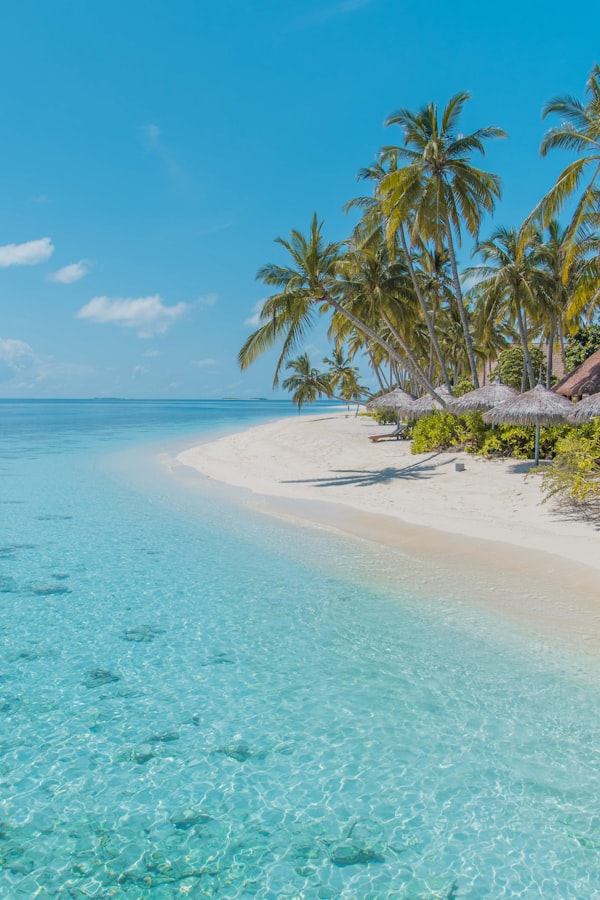
Sri Lanka
Sri Lanka is emerging as an attractive study destination for international students seeking quality education, affordable tuition fees, and a culturally rich learning environment. The country offers recognized universities, modern academic facilities, and a growing range of undergraduate and postgraduate programs across disciplines such as medicine, engineering, business, information technology, hospitality, and healthcare.
Studying in Sri Lanka provides students with access to internationally recognized qualifications, experienced faculty, and industry-oriented education. Many universities offer English-medium programs, making it easier for international students to adapt and succeed academically. The country's strategic location in South Asia also enhances educational and professional opportunities.
Apart from academics, Sri Lanka offers a welcoming atmosphere, beautiful natural landscapes, vibrant culture, and affordable living costs. Students benefit from a safe environment, modern infrastructure, and opportunities to experience a unique blend of tradition and innovation while pursuing higher education.
Key Highlights of Sri Lanka
Top Universities In Sri Lanka


Top Courses In Sri Lanka
Requirements In Sri Lanka
Sri Lanka offers a straightforward admission process for international students. Admission requirements vary by institution and course level but generally include academic and visa documentation.
University Requirements
- Academic transcripts and certificates
- Completed secondary or higher education qualifications
- University application form
- Passport-size photographs
- Program-specific eligibility criteria
- Entrance examination for selected programs
English Language Requirements
- IELTS Academic (where applicable)
- TOEFL or equivalent English proficiency tests
- English-medium education proof may be accepted
- Institution-specific language requirements
Student Visa Requirements
- Valid passport
- University admission letter
- Student visa application form
- Proof of sufficient financial resources
- Passport-size photographs
- Tuition fee payment receipt
- Medical documents if required
Cost of Living In Sri Lanka
Sri Lanka offers affordable living costs compared to many international study destinations. International students typically spend between USD 250 and USD 800 per month depending on their city, accommodation choice, and lifestyle.
Accommodation, food, transportation, internet, and daily necessities are reasonably priced. Colombo generally has higher living expenses, while cities such as Kandy and other regional areas are often more affordable.
Students can maintain a comfortable lifestyle through proper budgeting while benefiting from a high-quality educational experience.
Cost of Studying In Sri Lanka
Tuition fees in Sri Lanka vary depending on the university and academic program. Undergraduate and postgraduate programs are generally more affordable compared to many Western countries.
International students can expect tuition fees ranging from USD 2,000 to USD 15,000 per year. Professional programs such as medicine, engineering, and healthcare typically have higher tuition costs.
Many institutions also offer scholarships, financial aid, and merit-based awards to support talented students.
Work Opportunities & Post-Study Job & Visa in Sri Lanka
Sri Lanka primarily attracts students for its affordable and quality education rather than extensive post-study immigration pathways. However, graduates may find opportunities in sectors such as tourism, hospitality, healthcare, information technology, education, and business services.
International students should review the latest immigration regulations regarding part-time work and employment rights during or after their studies, as policies may change over time.
Graduates can use their qualifications to pursue careers in Sri Lanka, return to their home countries, or explore international employment opportunities.
Scholarships In Sri Lanka
Sri Lanka offers several scholarship opportunities for international students through government initiatives, universities, and educational institutions.
Popular scholarship options include Sri Lanka Government Scholarships, University Merit Scholarships, SAARC Scholarship Programs, and institution-specific financial assistance schemes.
Students may also qualify for academic excellence awards, research grants, tuition fee reductions, and need-based financial support depending on eligibility criteria.
Intakes In Sri Lanka
Most universities in Sri Lanka offer one or two major intakes each year. The primary intake typically begins between January and March for many undergraduate and postgraduate programs.
Some universities also provide a second intake during the middle of the year for selected courses. Professional programs such as medicine and engineering may follow specific admission schedules.
Students should apply early to improve their chances of securing admission, scholarships, accommodation, and visa approvals.