
Study in Nepal 🇳🇵 – Top Universities, Admissions, Costs, Visa & Scholarships
Why Study In Nepal?
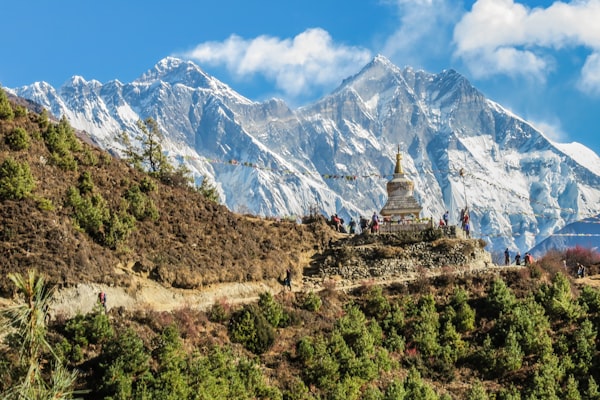
Nepal
Nepal is emerging as an attractive destination for students seeking quality higher education at affordable costs. The country offers a growing education sector with recognized universities, professional programs, and a student-friendly learning environment. For Indian and international students, Nepal provides easy accessibility, cultural familiarity, and cost-effective education options.
Studying in Nepal allows students to pursue programs in medicine, engineering, management, information technology, nursing, and humanities. Many universities emphasize practical learning, research, and skill development to prepare graduates for competitive careers in Nepal and abroad.
Beyond academics, Nepal offers a peaceful lifestyle, rich cultural heritage, breathtaking natural landscapes, and welcoming communities. Students benefit from affordable living costs, a comfortable environment, and opportunities to gain quality education without the high expenses associated with many international study destinations.
Key Highlights of Nepal
Top Universities In Nepal
Top Courses In Nepal
Requirements In Nepal
Nepal offers a straightforward admission process for both domestic and international students. Requirements may vary depending on the university and chosen program.
University Requirements
- Completed academic qualifications
- Academic transcripts and certificates
- Entrance examination (for selected courses)
- Passport-size photographs
- Application form submission
- Identity proof or passport for international students
English Language Requirements
- English proficiency may be required for some programs
- IELTS or equivalent scores for selected international courses
- Many institutions conduct courses in English medium
- Additional language requirements depend on the institution
Student Visa Requirements
- Valid passport
- University admission letter
- Visa application form
- Proof of financial support
- Passport-size photographs
- Tuition fee payment evidence
- Immigration clearance documents if applicable
Cost of Living In Nepal
Nepal is one of the most affordable study destinations in South Asia. International students generally spend between USD 150 and USD 500 per month depending on their lifestyle and city of residence.
Accommodation, food, transportation, internet, and personal expenses are relatively inexpensive compared to many international study destinations. Cities such as Kathmandu may have slightly higher living costs than smaller towns and educational hubs.
Students can comfortably manage their expenses through proper budgeting while enjoying a high quality of life and access to essential student facilities.
Cost of Studying In Nepal
Tuition fees in Nepal vary based on the university and course selected. Programs such as MBBS, BDS, and engineering generally have higher tuition fees, while management, humanities, and social science courses are more affordable.
On average, undergraduate and postgraduate tuition fees can range from USD 1,000 to USD 10,000 per year, depending on the institution and program.
Several universities and educational institutions also offer scholarships, fee concessions, and merit-based financial assistance for eligible students.
Work Opportunities & Post-Study Job & Visa in Nepal
Nepal primarily attracts students seeking affordable and quality education rather than extensive post-study immigration opportunities. Employment opportunities are available in sectors such as education, healthcare, tourism, hospitality, information technology, and business services.
International students should check current immigration regulations regarding work permissions during and after studies. Opportunities may vary depending on nationality, visa status, and professional qualifications.
Graduates often utilize their qualifications to pursue careers in Nepal, return to their home countries, or seek opportunities in international markets.
Scholarships In Nepal
Nepal offers various scholarship opportunities through government initiatives, universities, and educational institutions. These scholarships are designed to support academically talented and financially deserving students.
Popular scholarship opportunities include Government of Nepal Scholarships, Tribhuvan University Scholarships, Kathmandu University Financial Aid Programs, and institution-specific merit awards.
Students may also qualify for research grants, need-based assistance, and academic excellence scholarships depending on their educational background and chosen field of study.
Intakes In Nepal
Most universities in Nepal offer admissions once or twice annually, depending on the institution and academic program. The primary intake generally begins between August and November.
Some universities may also provide additional admission cycles for selected programs during the spring semester. Medical and professional courses often follow specific admission schedules.
Students are encouraged to apply early to secure admission, scholarship opportunities, accommodation, and visa approvals if required.