
Study in Bangladesh 🇧🇩 – Top Universities, Admissions, Costs, Visa & Scholarships
Why Study In Bangladesh?
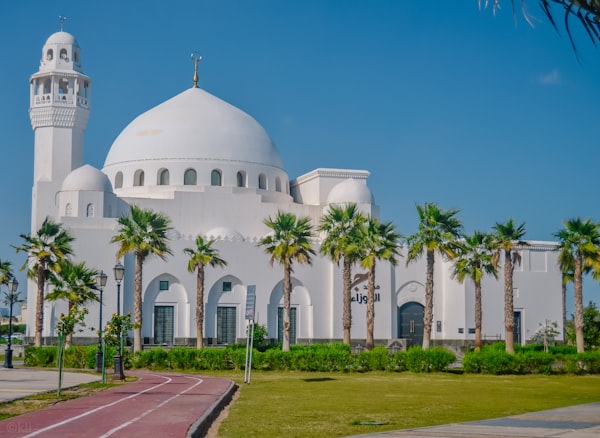
Bangladesh
Bangladesh is becoming an increasingly popular destination for international students seeking quality education at affordable costs. The country offers a rapidly developing higher education system with recognized universities, modern academic facilities, and industry-focused programs in fields such as medicine, engineering, business, information technology, and healthcare.
Studying in Bangladesh provides students with access to internationally recognized degrees, experienced faculty, and practical learning opportunities. Many universities offer English-medium programs, making education accessible for international students. The country's growing economy also creates opportunities for academic research, innovation, and professional development.
Apart from academics, Bangladesh offers a rich cultural heritage, welcoming communities, affordable living costs, and a student-friendly environment. International students can enjoy a comfortable lifestyle while pursuing quality education without the high expenses associated with many other study destinations.
Key Highlights of Bangladesh
Top Universities In Bangladesh





Top Courses In Bangladesh
Requirements In Bangladesh
Bangladesh offers a relatively simple admission process for international students. Requirements may vary depending on the university and program chosen.
University Requirements
- Academic transcripts and certificates
- Completed secondary or higher secondary education
- University application form
- Passport-size photographs
- Program-specific eligibility requirements
- Entrance examinations for selected courses
English Language Requirements
- English proficiency may be required for certain programs
- IELTS or equivalent scores for some international courses
- Many universities offer English-medium education
- Additional language requirements vary by institution
Student Visa Requirements
- Valid passport
- Admission letter from a recognized university
- Student visa application form
- Proof of financial support
- Passport-size photographs
- Tuition fee payment proof
- Immigration clearance documents where applicable
Cost of Living In Bangladesh
Tuition fees in Bangladesh are generally lower than in many Western countries. Costs vary depending on the institution and course of study.
Medical, dental, and engineering programs typically have higher tuition fees, while business, humanities, and social science courses are comparatively affordable. International students can expect annual tuition fees ranging from USD 1,500 to USD 12,000 depending on the program.
Several universities also offer scholarships, tuition discounts, and financial assistance programs to eligible students.
Cost of Studying In Bangladesh
Bangladesh is one of the most affordable study destinations in Asia. International students generally spend between USD 150 and USD 600 per month depending on their city, accommodation type, and lifestyle.
Accommodation, food, transportation, utilities, and daily necessities are relatively inexpensive. Dhaka may have higher living costs compared to smaller cities such as Rajshahi, Khulna, or Chattogram.
Students can enjoy a comfortable lifestyle while keeping expenses manageable through effective budgeting and university support services.
Work Opportunities & Post-Study Job & Visa in Bangladesh
Bangladesh primarily attracts students for its affordable education and professional programs rather than extensive post-study immigration opportunities. Employment opportunities exist in sectors such as healthcare, education, information technology, business, manufacturing, and development organizations.
International students should verify current regulations regarding work permissions during their studies and after graduation, as policies may vary.
Graduates often utilize their qualifications to pursue careers in Bangladesh, return to their home countries, or seek employment opportunities in international markets.
Scholarships In Bangladesh
Bangladesh offers several scholarship opportunities through government initiatives, universities, and international educational partnerships. These programs help support deserving students pursuing higher education.
Popular opportunities include Bangladesh Government Scholarships, SAARC Scholarships, University Merit Scholarships, and institution-specific financial aid programs.
Students may also qualify for academic excellence awards, need-based grants, research funding, and departmental scholarships depending on eligibility criteria.
Intakes In Bangladesh
Most universities in Bangladesh offer one or two major admission cycles annually. The primary intake generally begins between January and April, depending on the institution and program.
Some universities may offer additional admission sessions during the second half of the year for selected courses. Professional programs such as MBBS and engineering often have specific admission schedules.
Students should begin the application process early to secure admission, scholarship opportunities, accommodation arrangements, and visa approvals.